

Working from home has its perks, but a sun-filled room can become an uncomfortable place to spend an Australian summer afternoon. Before buying another cooling device, take a look at your workspace and the way heat enters it.
A few practical changes can help make your desk more comfortable. Here’s where to start, and how to choose cooling that matches your needs.
Keep direct sunlight off your workspace
Natural light is welcome in a home office, but direct sunlight on your desk, windows and computer can add unwanted warmth. Close blinds or curtains before strong sunlight reaches the room, rather than waiting until the space already feels hot.
If you can rearrange your desk, choose a position away from direct afternoon sun. Keep enough indirect light for comfortable reading and video calls without sitting in a sunbeam.
Ventilate when outdoor conditions are cooler
An open window isn’t always the answer. When outdoor air is hotter than the air inside, opening windows can bring more heat into your workspace.
When outdoor conditions are cooler, opening suitable windows or doors can help air move through the home. Check local conditions, including smoke and air quality, before doing so. Close up again if the outdoor temperature rises, and follow the ventilation instructions for any cooling device you use.
Reduce unnecessary heat from equipment
Computers, monitors and other electrical equipment release heat while operating. Switch off equipment you aren’t using, and avoid running unnecessary devices in a small office.
Keep your laptop on a firm surface and leave its ventilation openings clear. Don’t cover a device or block its airflow in an attempt to tidy your desk.
Choose cooling for the job you need done
There’s a difference between feeling more comfortable at your desk and lowering the temperature of an entire room.
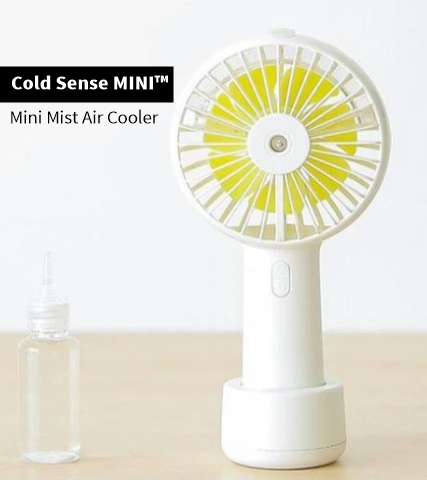
A fan moves air and can help you feel cooler, but it does not refrigerate the room. Many water-based personal coolers use evaporation and are intended for nearby comfort. Their effectiveness depends on conditions, with evaporative cooling generally working better in dry air than in humid air.
A portable air conditioner uses refrigeration to remove heat. It typically needs an exhaust hose vented outdoors and should be sized for the room. Check installation requirements before deciding whether it suits your home office.
Australia’s climate varies, so consider your local humidity, room size and ventilation rather than choosing by product name alone.
Set up your cooling device properly
Follow the manufacturer’s instructions for positioning, cleaning and maintenance. Keep air inlets and outlets clear, and place water-based devices on an appropriate stable surface, away from electrical equipment.
If you use a personal cooler, check its recommended distance from you. Don’t assume a compact desk device will cool a whole office. For an air conditioner, check that the exhaust arrangement is installed as instructed.
Plan a more comfortable workday
If your schedule allows it, tackle focused work during the cooler part of the day. Take regular breaks away from your desk and keep drinking water within reach.
Cooling products are tools for comfort, not a substitute for heat-safety precautions. During extreme heat, follow local public-health advice and move to a cooler location if your workspace becomes unsafe.
Start with your space, then choose your solution
The best starting point is a simple check: where is the heat coming from, and do you need personal comfort or whole-room cooling?
Manage sunlight, use ventilation thoughtfully and reduce unnecessary heat from equipment. Then explore the Cold Sense range and check each model’s specifications, intended use and maintenance requirements to find an option that fits your workspace.