

Getting ready for an Australian summer doesn’t have to mean buying a cooling device for every room. Start by understanding how your home warms up, then make a plan for the spaces you use most.
Use this checklist to prepare your home before the hotter days arrive, whether you’re working from home, relaxing in the lounge or getting ready for bed.
1. Identify your hottest rooms
Notice which rooms receive direct morning or afternoon sun and when they become uncomfortable. Think about where you spend the most time, rather than treating every room the same.
Make a short list of your priorities: a desk area, a bedroom or a shared living space. This will help you decide whether you need nearby personal cooling or a solution designed for a whole room.
2. Check your window coverings
Check that blinds and curtains work properly and can cover the windows that receive strong sunlight. Close them before direct sun warms the room, not only once it already feels hot.
If you have outdoor shading, check that it is in good condition and safe to use. Renters should seek any necessary approval before making permanent changes.
3. Plan when to ventilate
Opening windows can help when the outdoor air is cooler than the air inside. When it is hotter outside, open windows may bring additional heat into your home.
Choose ventilation times based on actual conditions, not just the clock. Consider security, smoke and outdoor air quality, and follow the ventilation requirements of any cooling equipment you use.
4. Give your cooling equipment a check-up
Before you need it every day, inspect your equipment and follow the manufacturer’s cleaning and maintenance instructions. Keep air inlets and outlets clear.
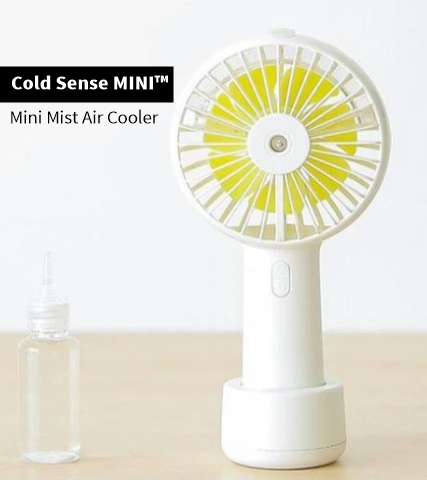
For water-based personal coolers, check the instructions for cleaning the tank, changing water and maintaining the cooling medium. For portable air conditioners, check the exhaust hose, window kit, filters and drainage requirements. Arrange professional servicing where required, and stop using equipment with damaged cords or other visible faults.
5. Match cooling to your space and climate
A fan, a personal evaporative cooler and a portable air conditioner do different jobs. A fan moves air but does not refrigerate a room. Evaporative coolers use water evaporation and generally work better in dry conditions than in humid air.
A portable air conditioner uses refrigeration to remove heat and typically needs an exhaust hose vented outdoors. Check its recommended room size and installation requirements.
Don’t rely on words such as “mini”, “portable” or “AC” alone. Read the specifications to understand the technology and intended use. Australia’s climate varies, so local humidity matters as well as temperature.
6. Reduce avoidable indoor heat
Switch off electrical equipment you aren’t using. If practical, move heat-producing tasks such as oven cooking to a cooler part of the day, or choose meals that require less cooking.
Keep ventilation openings on computers and other appliances clear. Rearrange seating or your desk if it puts you directly in strong sunlight.
7. Prepare a comfortable sleeping space
Manage sunlight in the bedroom during the day and choose bedding that feels comfortable for the conditions. Before bedtime, check whether outdoor air is cool enough for suitable ventilation.
If you plan to use a cooling device overnight, check its instructions, placement requirements and suitability for unattended use. Keep cords out of walkways and water-based devices away from electrical items.
8. Have a plan for extreme heat
Everyday comfort tips are not a substitute for heat-safety precautions. Follow local weather warnings and public-health advice, and identify a cooler place you can go if your home becomes unsafe.
Plan ahead for household members who may need extra help and consider what you would do during a power outage. Don’t rely on a small personal cooler as your only protection during extreme heat.
Your summer-ready starting point
Begin with shade, sensible ventilation and equipment maintenance. Then choose cooling based on the room, your local conditions and what you want the device to do.
Explore the Cold Sense range and check each model’s specifications and care instructions to find an option that suits your summer routine.